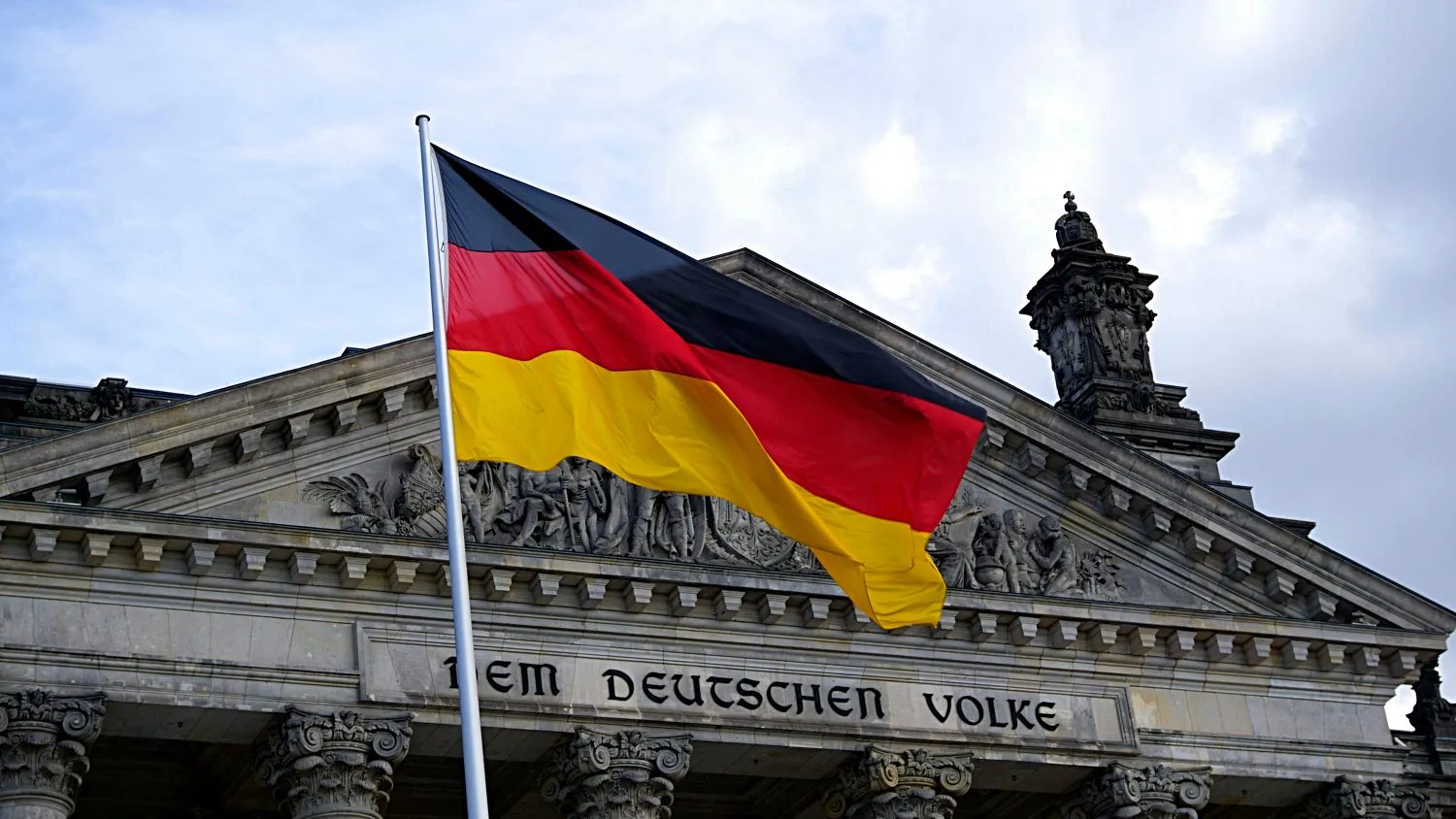
According to an analysis conducted by the National Bank of Poland (NBP), Poland ranks as the second most dependent country on Germany in Central and Eastern Europe. This relationship raises numerous questions about Germany’s influence on Poland’s economic growth, economic security, and the future of both nations within an increasingly globalized economy.
Table of Contents
Poland’s Economic Dependence on Germany: Second in Central and Eastern Europe
The NBP report shows that Germany accounts for around 10% of Poland’s economic growth, underscoring the importance of this relationship. This figure places Poland just behind the Czech Republic, the country most reliant on Germany in the region. The report states, “Germany plays a key role as a recipient of Polish exports and a source of investment, significantly impacting Poland’s industrial output and employment in export sectors.”
The interconnections between Poland and Germany span multiple sectors, such as automotive, chemical, machinery, and IT. Notably, German companies investing in Poland generate a substantial portion of local employment and contribute to technological advancements. For example, Volkswagen employs thousands of workers at its production plants in Poznań and Września.
Structure of Poland-Germany Trade
Data from the Central Statistical Office indicates that in 2023, Germany was Poland’s largest trading partner, accounting for over 27% of total Polish exports. Polish companies export a wide range of goods to Germany, from machinery and equipment to food and furniture. Germany is also the leading supplier for the Polish market, providing technologies, components, and materials essential to Poland’s manufacturing industry.
The Polish Economic Institute report states, “Trade cooperation with Germany is stable and mutually beneficial. Germany provides Poland with access to advanced technologies and capital, which supports the development of modern sectors in the economy.” This dependence enables Poland’s rapid economic growth, but it also raises concerns about vulnerability to economic fluctuations in Germany.
Economic Dependence or Partnership? Risks and Opportunities for Poland’s Economy
Economic dependence on a single, large trading partner can create risks, especially given the changing global landscape. If the German economy experiences a downturn, as during the COVID-19 pandemic, this impact may quickly spread to the Polish market. For instance, a slowdown in the German automotive industry could reduce orders for components produced in Poland, affecting employment and production levels.
NBP economists note, “Strong ties with the German economy can be both an asset and a liability for Poland.” While the Polish economy benefits from German demand, it is also exposed to potential disruptions in its western neighbor’s economy. A recommended approach is diversifying trade partnerships to mitigate the risks of excessive reliance on a single country.
Long-Term Strategy – Reducing Dependence on the German Economy
To mitigate the risks associated with over-reliance on Germany, Poland should consider implementing an export diversification strategy. In practice, this means intensifying trade relations with countries outside the European Union, particularly in Asia, the United States, and emerging markets. Equally important is supporting innovation and creating high-value domestic brands.
MEP and economist Marek Belka emphasizes, “Poland has the opportunity to become a key player in the global market, but it must invest more intensively in research and development and support domestic production.” This approach could help Poland reduce its dependence on Germany’s economy while enhancing competitiveness in international markets.
Could Germany Lose Significance in the Polish Economy?
While Poland’s dependence on Germany is substantial, it is not the only direction for economic development. The evolving structure of international trade and technological advancement may lead Polish companies to seek new export markets more frequently. Poland is focusing on innovation and digitalization, increasing its potential to compete on the global stage.
Professor Krzysztof Rybiński notes, “Poland’s unique geographical position and rapidly growing technology sector create an opportunity to build new trade relationships.” This shift offers a chance to reduce reliance on a single major partner and to create a more balanced and resilient economy.
Poland’s economic dependence on Germany is significant and brings both advantages and disadvantages. The partnership with Germany has fostered Poland’s dynamic economic growth and trade benefits for both sides. However, heavy reliance on one country presents risks, especially in the context of global crises.
To achieve greater independence, Poland should invest in export diversification, support innovation, and develop new markets. These measures will make the economy more resilient to potential economic fluctuations in Germany and enable stable, long-term growth.
Central Europe Review / MNA, Sources: National Bank of Poland – Report on Poland’s Economic Dependence on Germany, Polish News Agency / Photo: XU CHEN / 13.11.2024