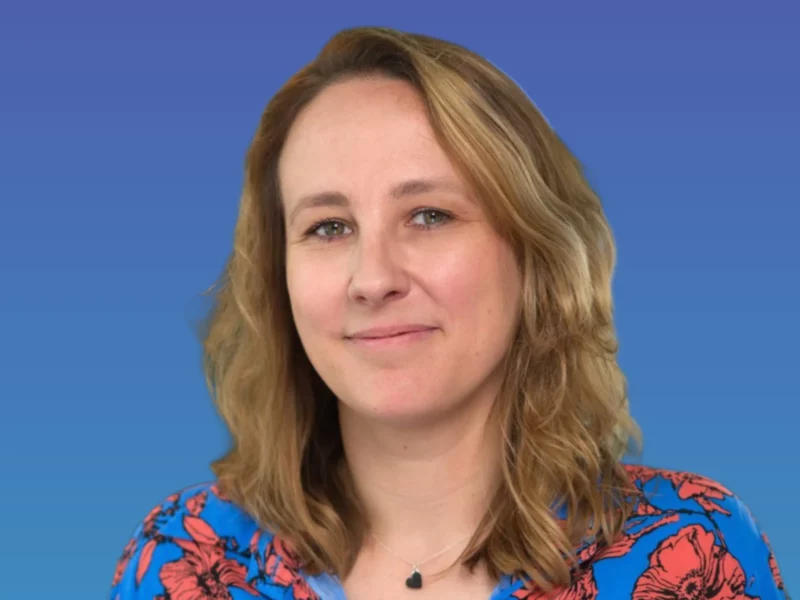
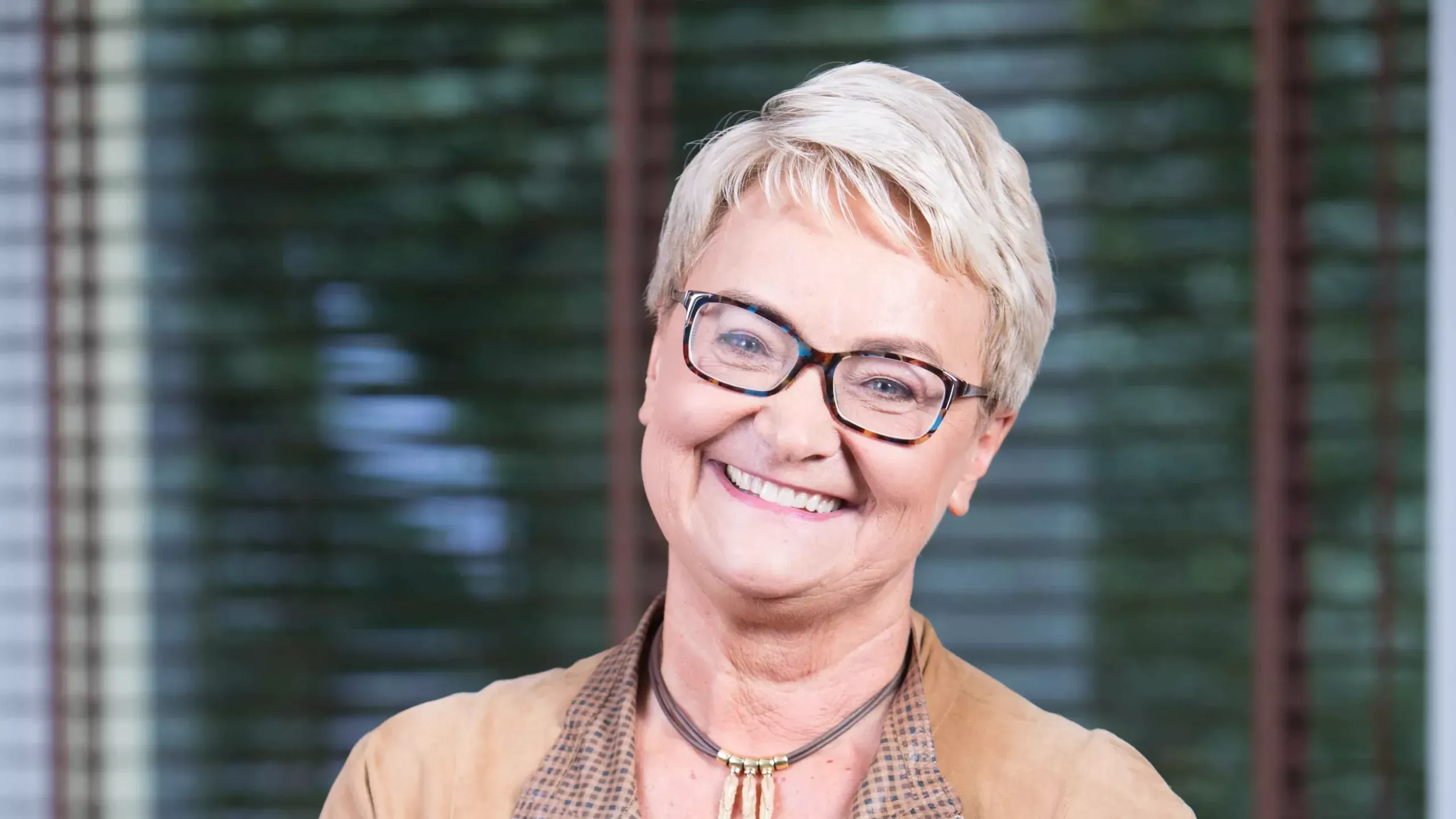
WARSAW: A conversation with Dr. Henryka Bochniarz, Chair of the General Council of the Lewiatan Confederation, about the future of the labor market in Poland and Europe, migration strategy, the role of women in public life, and the challenges of digital education. Interview conducted by Bogusław Mazur for RaportCSR.pl.
Table of Contents
Work at the center of change
In the context of Poland’s upcoming presidency of the Council of the European Union, the Lewiatan Confederation is organizing a special spring edition of the European Forum for New Ideas (EFNI). Its central theme will be the future of work in Europe. As Dr. Henryka Bochniarz emphasizes, it is not merely about analyzing trends – it is an attempt to understand the role of work in today’s society and how it might evolve.
“For many people, work defines the meaning of life. Even though today’s younger generations view it in a different proportion – something employers often point out, noting how hard it is to find engaged employees – we still need to talk about it,” says Henryka Bochniarz. “Regardless of global solutions, our labor market is quite specific. Entrepreneurs must be aware of trends, how to prepare for them, and how to respond.”
She points to a series of overlapping crises – from the pandemic, through geopolitical disruptions, to climate and demographic shifts – all of which are redefining the structure and meaning of employment.
“We move from one crisis to the next, and unfortunately, there is no end in sight,” she notes. “Yet, potential threats can also be seen as opportunities – spaces for new activity for oneself, one’s employees, and one’s business.”
The presidency as an opportunity to catch up
According to Dr. Henryka Bochniarz, Poland’s EU presidency is not just a matter of prestige – it is a concrete opportunity to make progress.
“When we compare various issues with the European average – in areas like digitalization – we are clearly behind,” she explains. “If we want to close this gap, let alone catch up with the leaders, whether in the use of AI at work or raising citizens’ awareness of digital opportunities, there is still a lot to do.”
This is why EFNI includes discussions with labor ministers from across the EU. The goal is to foster an exchange of experiences and seek solutions that can be adapted to the Polish context.
Henryka Bochniarz: Migration as a driver of development
Another key topic is migration. Poland has long experienced various forms of inflow – from the Vietnamese diaspora to Ukrainian refugees and workers from Georgia and Colombia. A coherent and conscious migration strategy is essential.
“We know that we will not be able to function without economic migrants,” Henryka Bochniarz says. “But we cannot view immigrants merely as a labor force.”
It is important not only to create a points-based system for labor market access but also to support the integration of migrants’ children into the education system and broader society.
“Migration can have negative aspects, but they can be mitigated – provided it stems from a conscious policy,” she emphasizes. “I lived in the U.S. for many years and know how hard it is to enter a completely foreign environment.”
She also highlights a leadership project she initiated for Ukrainian women already active in Poland, aiming to prepare them for success in a shared European market or upon return to Ukraine.
Education that keeps up with change
Dr. Henryka Bochniarz draws attention to educational challenges – not only for children, but also for adults. OECD data paints a troubling picture: around 70% of Poles struggle to understand what they read.
“This kind of functional illiteracy is one of today’s biggest challenges,” she says. “Some people cannot even follow directions on a prescription or a simple user manual.”
In response, a new approach is emerging: micro-credentials – short, focused courses that complement existing knowledge and address gaps.
“It doesn’t matter if someone has four MBAs. What matters is their willingness to update their knowledge and identify their own deficits,” Henryka Bochniarz explains.
She sees a vital role here for employers, who can help tailor continuing education to real needs.
Women – an untapped growth potential
Alongside discussions about technology and education, there is a parallel conversation about gender roles in society and the economy. Poland, Henryka Bochniarz observes, still struggles with gender equality – both in the workplace and at home.
“Still, 70% of household work falls on women,” she states. “Only a tiny percentage of men take parental leave. Challenging stereotypes around women’s roles is very difficult.”
Solutions involve not only cultural change but also practical tools: more nurseries, flexible employment, and government-led equality education starting from the earliest age.
Her flagship initiative, the Leadership Academy, is designed for women on the brink of executive roles.
“For centuries, we were excluded from governing bodies, and overcoming that is not just a matter of professional preparation,” she explains. “The program I offer is about ‘opening the mind.’”
Instead of technical training, the Academy offers classes in philosophy, art, sports, and politics to prepare women for high-level leadership in a complex world.
Representation in politics
Some may point to the presence of women like Giorgia Meloni or Alice Weidel in European politics as signs of progress. But Henryka Bochniarz cautions against drawing broad conclusions from isolated examples.
“Individual cases are encouraging, but they don’t change the quality of women’s actual influence on society,” she argues. “Quotas on supervisory boards and management bodies are more important than one woman in a prominent post.”
Hence her support for gender quotas in corporate governance and electoral lists, alongside efforts by organizations such as the Congress of Women.
Defending women’s rights hlobally
Dr. Henryka Bochniarz firmly believes that the fight for women’s rights should not stop at national borders. The plight of women in Iran or Afghanistan must be part of the global conversation.
“We can’t separate these issues. If we focus only on our own challenges and ignore places where women are treated in ways utterly incompatible with civilized norms, we can’t expect others to care about our problems,” she stresses.
Central Europe Reports >> Opinions >> JKN >> Source: Raport CSR >> Photo: Henryka Bochniarz by LewiatanMaciejDrozd >> 10.04.2025