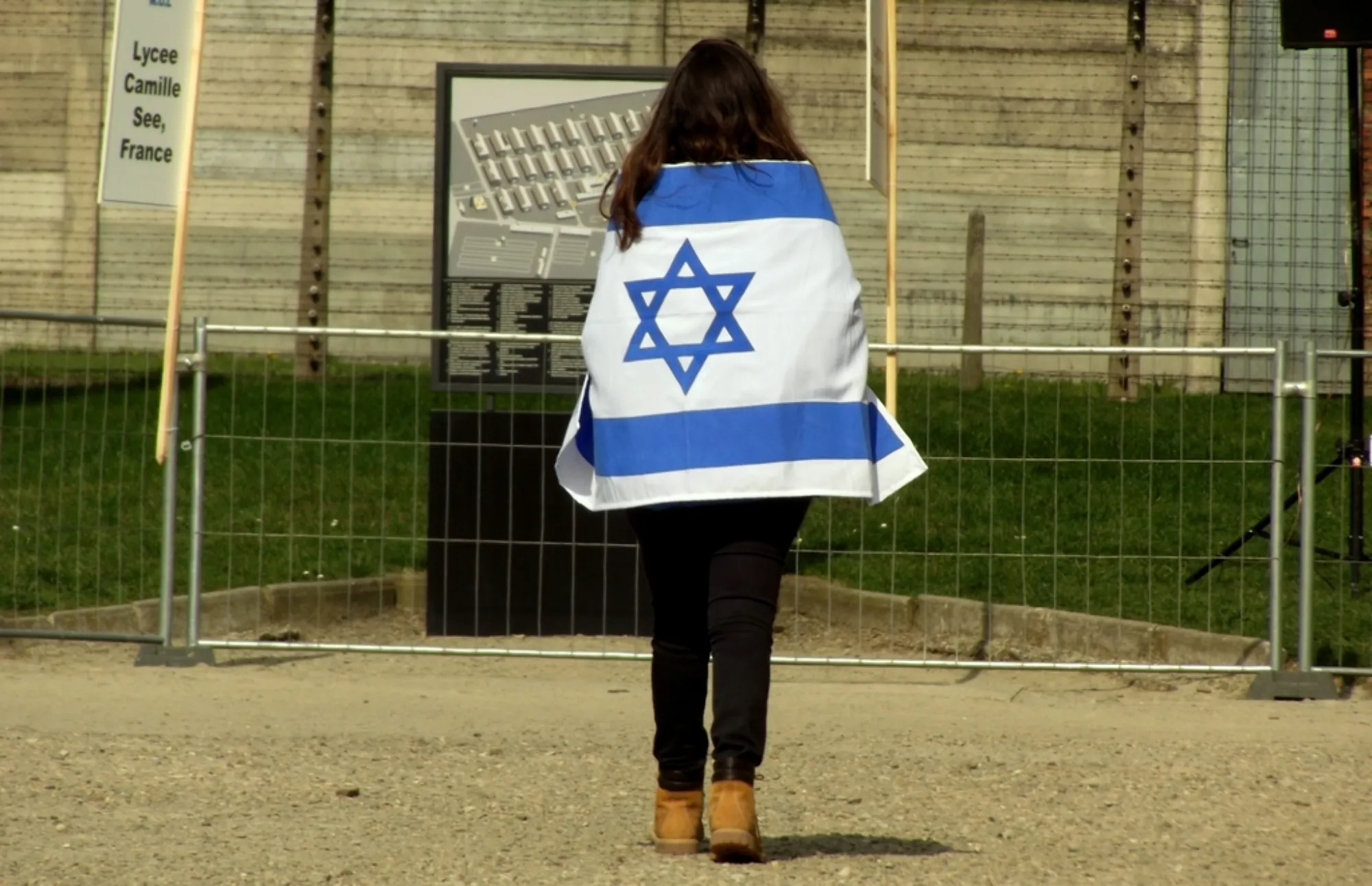
WARSAW: Every April, Israel and Jewish communities worldwide observe Yom HaShoah – Holocaust Remembrance Day. It is a solemn moment to honor the memory of the six million Jews murdered during the Holocaust and to recognize the courage of those who resisted. For Poland and Central European nations, it’s also a time to reflect on shared history and the responsibility of remembrance.
Table of Contents
What is Yom HaShoah?
Yom HaShoah, officially called Yom HaZikaron laShoah ve-laGevurah (Hebrew: יום הזיכרון לשואה ולגבורה), translates to the „Day of Remembrance for the Holocaust and Heroism.” It is a national memorial day in Israel, commemorating the victims of the Holocaust and the Jewish resistance during World War II.
It falls on the 27th of Nisan in the Hebrew calendar, usually in April. In 2025, Yom HaShoah was observed on April 23. The date was chosen to align closely with the anniversary of the Warsaw Ghetto Uprising of 1943—a symbol of both tragedy and heroism.
How is Yom HaShoah Observed?
In Israel, Yom HaShoah begins at sundown the previous evening. At 10:00 AM, a siren sounds across the country. For two minutes, life comes to a standstill—drivers step out of their cars, people stop walking, and silence prevails. It is a powerful gesture of national mourning and respect.
Official ceremonies take place at Yad Vashem in Jerusalem, attended by Israeli leaders and Holocaust survivors. Six torches are lit, each representing one million Jews lost. National flags are flown at half-mast, and television and radio programs focus solely on Holocaust remembrance and education.
Yom HaShoah in Poland
Though Yom HaShoah is an Israeli observance, it holds deep significance in Poland, where many Holocaust atrocities occurred. Ceremonies are held at historical sites such as the Monument to the Ghetto Heroes in Warsaw. Museums like POLIN – the Museum of the History of Polish Jews – host educational programs, film screenings, and exhibitions.
Yom HaShoah 2025 in Poland
In 2025, Holocaust Remembrance Day was marked by significant public events across Poland:
- The March of the Living took place in Oświęcim, with thousands walking the symbolic 3-kilometer route from Auschwitz I to Auschwitz II-Birkenau. Participants included Polish and Israeli youth, dignitaries, and survivors. The march underscored remembrance and solidarity.
- Warsaw Ceremony: A moving commemoration took place at the Monument to the Ghetto Heroes in Muranów. Government officials, community leaders, and interfaith representatives laid wreaths and lit candles. The ecumenical nature of the event highlighted a universal call to memory and peace.
- POLIN’s “Daffodils Campaign” once again engaged the public through lectures, workshops, and cultural events. Thousands wore symbolic paper daffodils to honor the fighters of the Warsaw Ghetto Uprising.
- Educational Initiatives: The Polish Ministry of Justice, in partnership with the Auschwitz-Birkenau Foundation and academic institutions, hosted a major conference titled “Denial and Distortion: Truth About the Holocaust 80 Years After Auschwitz.” The event brought together historians, scholars, and Jewish community leaders to address the challenges of Holocaust memory in today’s society.
Why Holocaust Remembrance Matters in Poland
Before World War II, Poland was home to one of the world’s largest Jewish communities. The Holocaust destroyed that vibrant society. Remembering Yom HaShoah in Poland is not just about Jewish history—it is Polish history too.
It is also a time to remember the bravery of Polish citizens who risked their lives to save Jews, and those who resisted Nazi oppression. For contemporary society, it’s a moment to confront antisemitism and foster a culture of respect and tolerance.
How You Can Honor Yom HaShoah
- Educate Yourself: Visit museums, read survivor testimonies, and explore historical sites like Auschwitz-Birkenau or the POLIN Museum.
- Participate: Join remembrance events in your city or online, such as lectures, walks, and memorial services.
- Pause and Reflect: Light a candle, say a prayer, or simply take a moment to remember the victims and their stories.
Conclusion
Yom HaShoah is more than a day of mourning—it is a call to remember and a reminder of the power of resistance, dignity, and humanity in the face of darkness. For Poland and the world, it is a vital opportunity to ensure that “Never Again” is not just a phrase, but a promise.
CER >> Culture & History >> KJN >> Photo By Piotr Drabik from Poland >> 24.04.2025