BERLIN: On March 26, 2024, the European Commission announced a record-high grant for the German defense giant Rheinmetall AG under the ASAP program. This was the largest amount in history that the EU has allocated to a single entity for arms production. Although the funds are intended to support projects in Germany, Hungary, Romania, and Bulgaria, questions arise about potential benefits for Poland.
Table of Contents
What are the goals of the EU’s ASAP program?
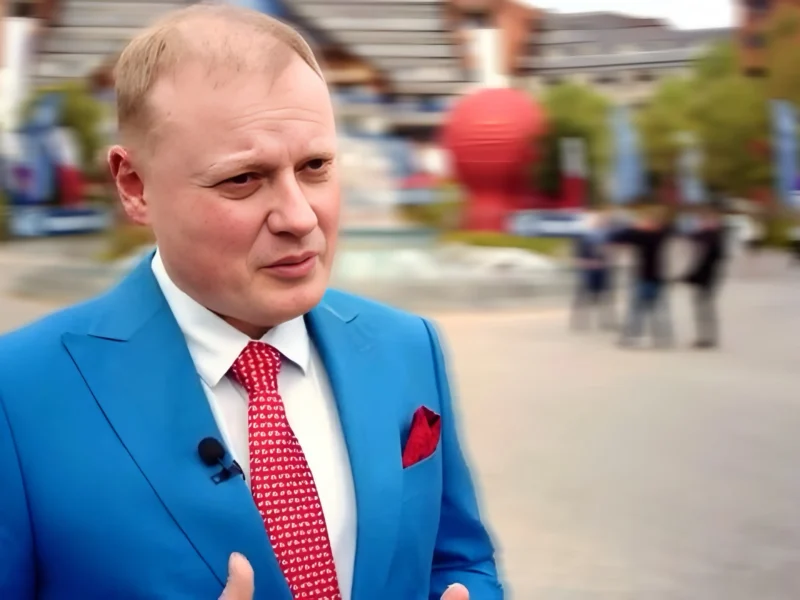
The ASAP (Act in Support of Ammunition Production) program was launched in 2023 in response to the conflict in Ukraine, which exposed huge shortages of ammunition in the armed forces of EU member states. The program’s total budget of EUR 500 million aims to increase the European Union’s defense capabilities through mass ammunition production. The key objective is to reduce dependency on military supplies from the United States and to shorten bureaucratic procedures in the procurement process. As Dirk Winkels, the company’s Head of Investor Relations, noted in an interview with Maximilian Gamperling, this shortening of “time and distance, as well as reducing decision-making bureaucracy, can give the Union an advantage.”
What will Rheinmetall use the record grant for?
Rheinmetall AG was allocated EUR 130 million, the largest single tranche from the ASAP program and the largest-ever EU defense grant overall. According to Rheinmetall’s spokesperson, Oliver Hoffmann, these funds will support projects in Germany, Hungary, Romania, and Bulgaria. The grant focuses on producing 155mm artillery ammunition, which is crucial in the Ukrainian conflict and is the NATO standard. Commenting on the decision, Rheinmetall AG’s CEO expressed deep gratitude, stating: “We are honored by the European Union’s trust in our company.”
Can Poland benefit, and how?
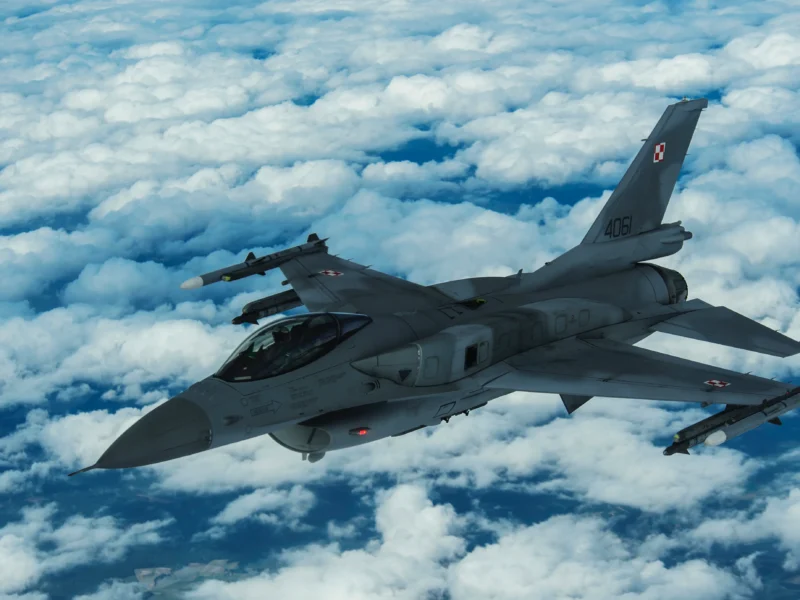
Although Poland was not directly listed as a beneficiary country, its location and strong ties with Rheinmetall suggest potential gains. Poland has been cooperating with the German company for years in producing advanced defense systems, and many Polish firms are part of Rheinmetall’s supply chain. Given the funding and large-scale production, increased orders for components and services may be directed to Polish subcontractors. This could also pave the way for new joint defense projects, strengthening the role of Polish industry within the European supply chain. Ultimately, this massive EU grant for a key strategic partner may have a positive impact on Poland’s defense sector.
Financial outlook: Is this just the beginning of the defense sector’s potential?
The European Commission’s decision is not only about defense but also a clear signal to financial markets. Historical data shows the significant impact that changes in security policy can have on Rheinmetall’s share price. At the beginning of 2021, before the war in Ukraine, the company’s stock price hovered around EUR 80–90. Just five months after the invasion, in April 2022, the value exceeded EUR 200 per share.
This sharp rise was only a prelude. The massive ASAP funding, combined with the new EU and German focus on security and rebuilding defense capabilities, points to the beginning of a new era for the arms industry. As CEO Armin Papperger reports, there is growing interest from institutional investors, reinforcing the belief in and confirming a long-term upward trend. This is a clear example of how geopolitics is becoming a key driving force for financial markets.
CER Economy / Jan Powolny / 28.03.2024