WARSAW: „Mecenas i kolekcjoner” („Patron and Collector”) is the title of a conference scheduled for Wednesday, November 27, 2024, from 3:30 PM to 7:00 PM at the Warsaw School of Economics, in building S, auditorium S.1, located at 8 Batorego Street in Warsaw.
Table of Contents
What is the idea behind the „Mecenas i kolekcjoner” conference?
For an emerging artist to gain recognition among the public and sustain themselves independently, they must first win the approval of close friends, face critiques from art critics, and test their work against the market. This confrontation paves the way to attract sponsors, engage independent buyers, and captivate genuine collectors.
This process also serves as a gateway to exhibiting in increasingly renowned galleries and facilitates institutional support – the contemporary form of art patronage. The „Mecenas i kolekcjoner” conference aligns with the mission of the Paleta Foundation for Contemporary Art to support young creators in staying within the artistic profession by assisting them during the initial stages of their careers as professional artists.
Who is organizing the „Patron and Collector” conference?
The organizers of the „Mecenas i kolekcjoner” conference include the Warsaw School of Economics, the Institute of Statistics and Demography, the Collegium of Economic Analysis, the Institute of Corporate Finance and Investment, the Collegium of Business Sciences, the Paleta Foundation for Contemporary Art, and the Institute for Expert Debate and Analysis – Quant Tank.
What is the program for the „Patron and Collector” conference?
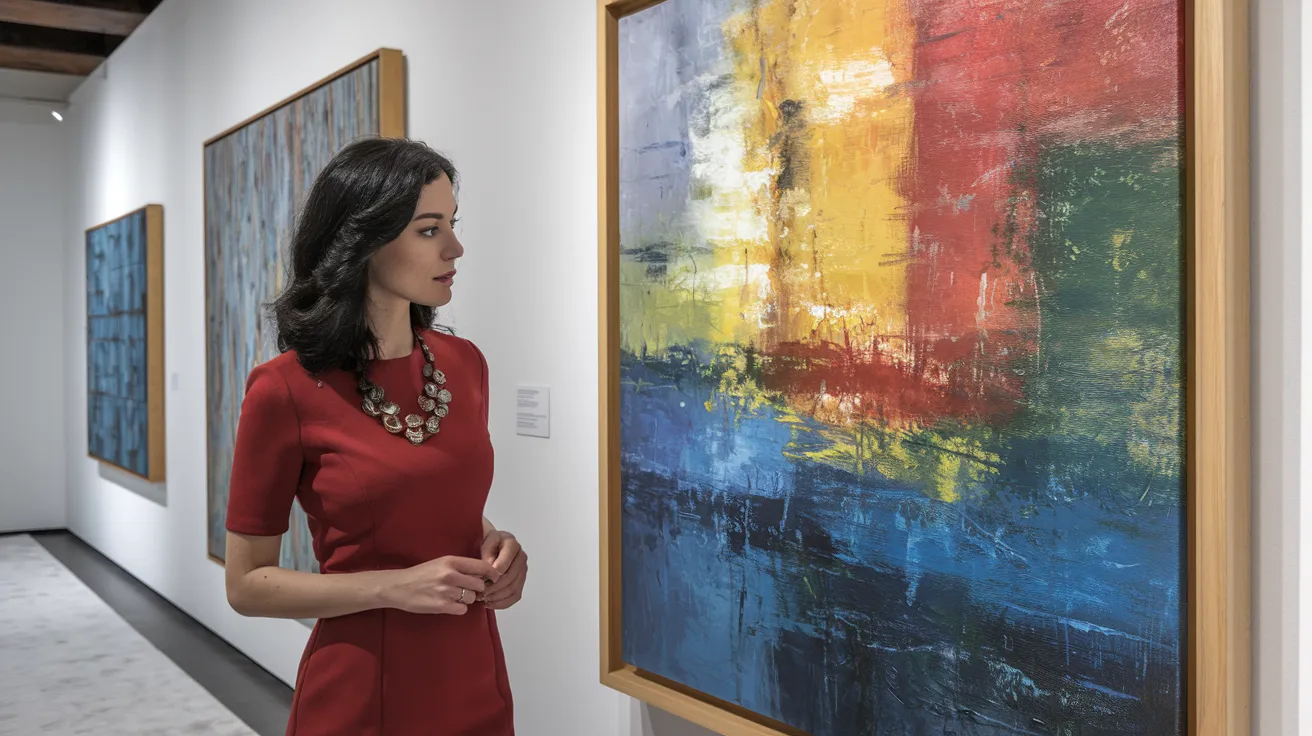
The conference will commence with a vernissage featuring the laureates of the Inspirations Competition, organized by the Paleta Foundation for Contemporary Art, from 4:45 PM to 5:15 PM on Wednesday, November 27, 2024.
Session 1: Patron (3:30 PM)
The conference begins with Session 1: Patron, featuring the following speakers:
- Dr. Lidia Danik, Associate Professor at the Warsaw School of Economics, Department of International Marketing, and Director of the Culture Manager postgraduate program.
- Rafał Kamecki, President of Artinfo.pl.
- Maks Kraczkowski, Chief Strategic Advisor at Euro Asia Council and former Vice President of PKO BP, Poland’s largest universal bank.
- Małgorzata Łobodzka, Deputy Director for Communication and Education at the National Museum in Warsaw.
Moderator: Marcin Rosołowski from the XBW Foundation and Delfina Gallery.
After the first session, at 4:45 PM, there will be a break for the presentation of awards to the laureates of the Inspirations 2024 Competition.
Session 2: Collector (5:15 PM)
Session 2: Collector features the following participants:
- Artur Dumanowski, Director of Auction Projects, DESA Unicum.
- Dr. Paweł Felis, Associate Professor at the Warsaw School of Economics, Institute of Finance.
- Piotr Pudłowski, Art Collector.
- Dr. Izabela Rudzka, Institute of Corporate Finance and Investment, Warsaw School of Economics.
Moderator: Juliusz Bolek, Chairman of the Board of Directors, Institute of Business.
Who is a collector?
A collector is an individual who gathers objects with artistic, historical, scientific, or sentimental value. Being a collector requires professional dedication and deep knowledge about the items being acquired. The distinction between a collector and a mere gatherer lies in the value and significance of the collected items.
Collectors seek to assemble comprehensive collections that are substantial and organized. Unlike someone with a few unique pieces, a collector aims for a complete and representative collection.
Who is a patron of the arts?
A patron is an individual or institution that supports art, literature, or science, acting as a protector, sponsor, or benefactor. Patrons play a vital role in fostering culture by supporting artists, writers, and other creators, often leaving a lasting legacy in their respective fields.
Historical examples include the Medici family during the Renaissance, who supported artists like Michelangelo, Leonardo da Vinci, and Botticelli, transforming Florence into a global center of art and science. Similarly, in the 20th century, American industrialist John D. Rockefeller Jr. funded projects like the Museum of Modern Art (MoMA) in New York, enabling avant-garde artists to gain recognition.
These figures underscore the importance of patronage in allowing masterpieces to be created and shared with the public, highlighting its role as a cornerstone of cultural development throughout history.
Central Europe Reports, /MNS, source: Agencja Informacyjna / 26.11.2024