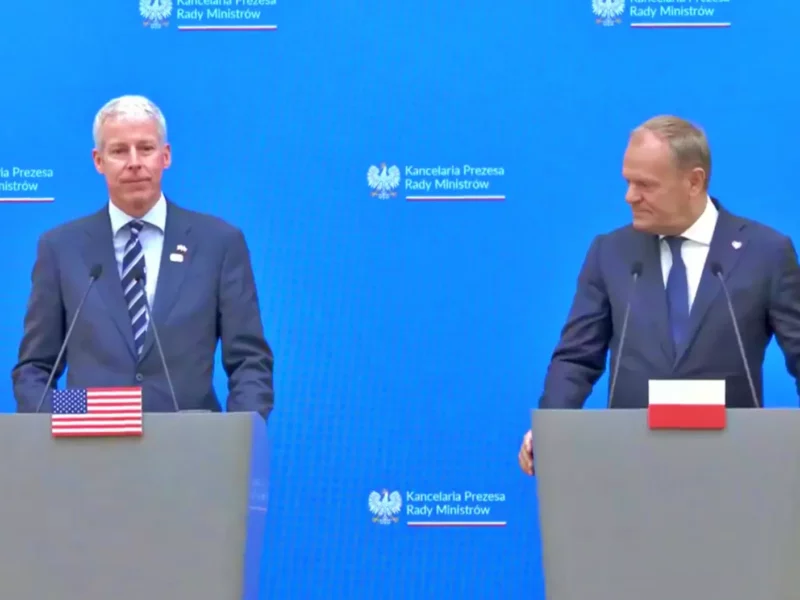
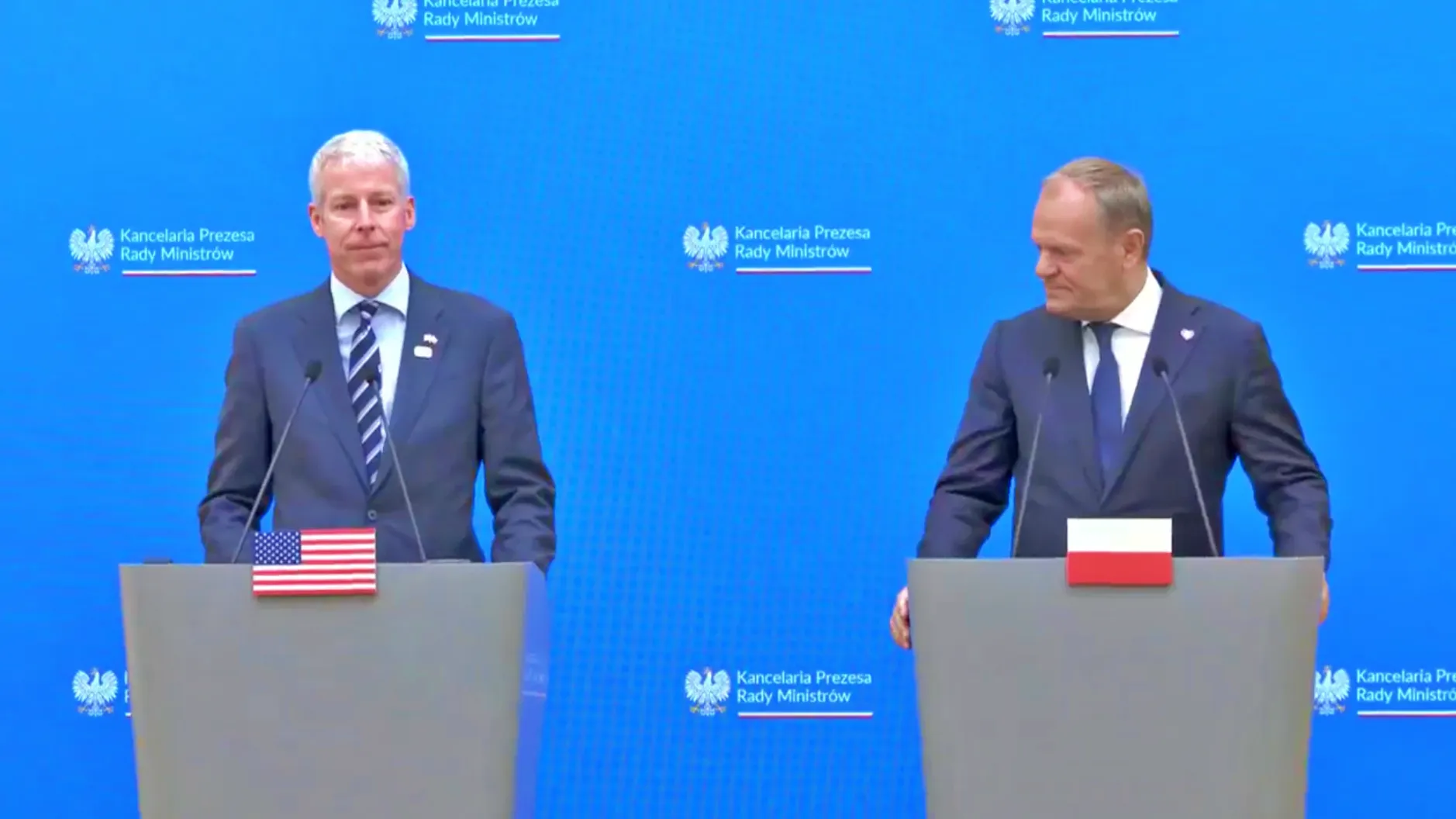
WARSAW: In a landmark move towards strengthening energy independence and transatlantic partnerships, Polish Prime Minister Donald Tusk and U.S. Secretary of Energy Chris Wright signed a bridge agreement between Polish Nuclear Power Plants (Polskie Elektrownie Jądrowe) and the Westinghouse-Bechtel Consortium. The new deal heralds a significant leap forward for Poland’s nuclear energy ambitions and underscores the resilience of Polish-American relations.
Table of Contents
A New Chapter for Polish Nuclear Energy
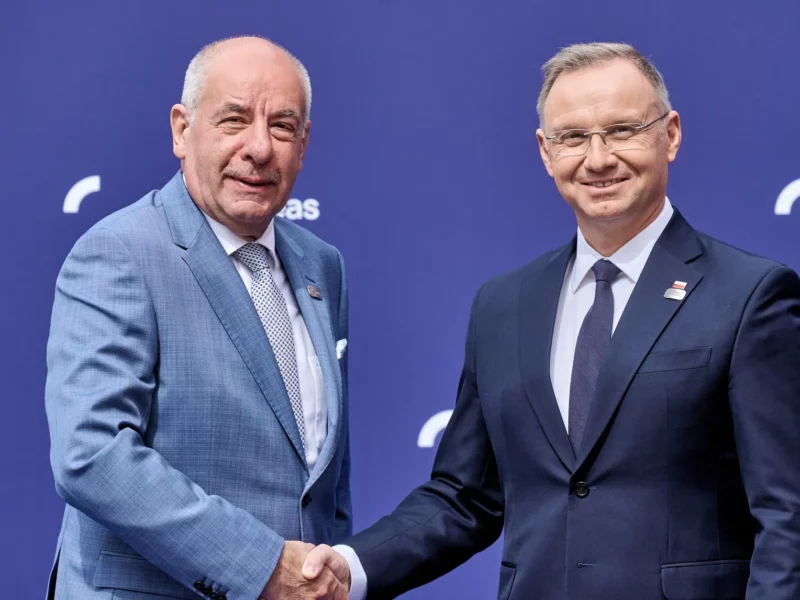
On April 28, 2025, Prime Minister Donald Tusk and Secretary Chris Wright met in Warsaw to solidify a pivotal step in Poland’s energy transformation. Following the meeting, officials signed a bridge agreement that will accelerate the construction of Poland’s first nuclear power plant using next-generation technology.
„It is no coincidence that the first nuclear power plant based on this new technology in Europe will be built right here, in Poland,” emphasized Chris Wright during the press conference. Tusk echoed this sentiment, stating, „Today we can confidently say that cooperation in nuclear energy is better than ever.”
The agreement aims not only to strengthen Poland’s energy security but also to set a benchmark for innovation and partnership in Europe. With modifications to key elements of the original plan, the investment has become more robust and mutually beneficial.
„Thanks to the changes we made to many crucial issues, this investment is now more certain,” Tusk noted. He praised the exceptional relationship between Polish and American negotiators, highlighting that „among friends, and between friends, every detail can be negotiated.”
Central Europe Nuclear Landscape: A Comparative Look
While Poland embarks on this ambitious nuclear project, neighboring countries present a varied nuclear landscape.
The Czech Republic operates six nuclear reactors at the Dukovany and Temelín power stations, supplying about one-third of the country’s electricity. Plans are underway to expand Dukovany with new units, supported by a strong national consensus favoring nuclear energy.
Slovakia is heavily reliant on nuclear energy, producing over half of its electricity from nuclear plants like Mochovce and Bohunice. Recent expansions at Mochovce, including the activation of a third reactor in 2023, have bolstered Slovakia’s energy independence.
Hungary, similarly, depends significantly on nuclear power, with the Paks Nuclear Power Plant supplying around 40% of the country’s electricity. The government has engaged Russia’s Rosatom to build two additional reactors, despite geopolitical tensions, underlining Hungary’s firm commitment to nuclear energy.
Austria, on the other hand, presents a stark contrast. Although it constructed the Zwentendorf nuclear plant in the 1970s, it never commenced operations following a public referendum. Austria remains staunchly anti-nuclear and champions renewable energy as its primary strategy.
Germany, once a nuclear powerhouse, completed its nuclear phase-out in 2023, driven by public opposition and political decisions in the aftermath of the Fukushima disaster. The move has left Germany grappling with increased reliance on coal and natural gas, sparking debates about energy security and climate goals.
Poland’s decision to pursue nuclear energy thus stands out in a region with diverse energy policies, positioning Warsaw as a new center for nuclear development in Central Europe.
„Investments That Anticipate Needs”
Chris Wright praised the Polish-American collaboration as a shining example of forward-thinking strategy. „We seek a partnership based on mutual respect and investments that anticipate the needs of many years to come,” Wright stated. He further emphasized that Poland’s role as the site for Europe’s first next-generation nuclear plant is a testament to the strength of the bilateral relationship.
Prime Minister Tusk reiterated the strategic importance of the project, particularly for his native region: „One of the most significant expressions of our friendship will be the nuclear power plant up north, in my beloved Kashubia,” he said, visibly moved.
Tusk also stressed the economic dimension, noting that „Polish-American friendship is not a slogan, but something that pays off and will continue to pay off for both sides.”
The Road Ahead
With the bridge agreement in place, Polish Nuclear Power Plants and the Westinghouse-Bechtel Consortium are set to proceed with preparatory work. Construction is expected to commence in the coming years, with the operational launch projected for the early 2030s.
As Poland steps into a new era of energy policy, the country not only strengthens its own energy security but also becomes a beacon of innovation and international cooperation in Europe’s evolving energy landscape.
Central Europe Reports >> Law & Politics >> KJN >> Soruce: wPolityce.pl >> Photo: KPRM FB >> 28.04.2025