SOFIA: Bulgaria is reigniting a national debate over the role of religion in public education with a controversial proposal to introduce a new school subject titled “Religion and Values.” Framed as a non-confessional ethics and civics course, the initiative has triggered both praise for its focus on moral development and backlash over fears of ideological indoctrination. As supporters and critics prepare for a public showdown, the future of values-based education in Bulgaria hangs in the balance.
Table of Contents
Bulgaria: The Religious Education Debate Returns
A heated debate is unfolding in Bulgaria over a government-backed proposal to introduce a new subject in public schools titled “Religion and Values.” The initiative, supported by the Bulgarian Orthodox Church and the Ministry of Education and Science, has sparked both support and criticism from educators, religious leaders, politicians, parents, and civil society groups.
The subject is envisioned as an ethics-based course combining philosophical, moral, and cultural education, with a non-compulsory element addressing world religions. According to officials, the purpose is to nurture compassion, civic virtues, and a deeper understanding of identity—without engaging in religious preaching.
On April 24, Sofia’s National Palace of Culture hosted a pivotal public discussion organized by the Ministry of Education and Science. The event brought together an influential group of stakeholders including Education Minister Krasimir Valchev, Patriarch Daniil of the Bulgarian Orthodox Church, Grand Mufti Mustafa Hadzhi, university rectors, teachers, parents, lawmakers, and NGO representatives.
During the discussion, Minister Valchev clarified that the subject would not amount to catechism or confessional instruction. “This will not be a compulsory class in catechesis, but a compulsory class in goodness,” Valchev said, echoing a broader European trend of ethics-focused education seen in countries like Germany, Spain, Denmark, and Slovakia.
The Church’s Stance: “Faith Is Personal, But Values Are Universal”
Patriarch Daniil, recently elected head of the Bulgarian Orthodox Church, reinforced the Church’s long-standing support for the inclusion of religion in education. Speaking on Bulgarian National Television, he emphasized that the intention is not to indoctrinate but to educate.
“Faith is something personal,” Daniil stated. “But no parent would want their child to grow up without compassion, honesty, and moral responsibility. Religious education, if approached properly, can help cultivate these values.”
Daniil also addressed public fears that the move represents an attempt to re-Christianize public education. He argued that much of the criticism stems from “a false idea about the church” and misunderstanding of the proposal’s goals. He reassured parents that no child would be forced into religious instruction; those who object could opt for a secular ethics curriculum.
Opposition Mounts: “Faith Belongs at Home, Not in Public Classrooms”
Despite assurances from religious and government figures, critics have voiced deep concerns. A public protest is scheduled for May 8 in Sofia, organized by civic groups opposed to what they describe as an attempt to “ideologize education.”
In a widely shared Facebook statement, protest organizers wrote: “We are not protesting against faith, but against turning public schools into instruments of ideological preaching. We oppose the replacement of knowledge with dogma and the grooming of obedient citizens instead of free-thinking individuals.”
For these groups, the main issue lies in the blurred line between education and indoctrination, and the potential erosion of the secular character of the Bulgarian state. They argue that moral and civic education can be delivered without religious content and that schools should remain neutral spaces for intellectual development.
Curriculum Details: Voluntary Religion, Mandatory Values
Under the proposed model, students would not be required to take religious education per se. Instead, they would choose between different programs—some focusing on ethical values and civic education, others offering insights into world religions. The goal, according to Minister Valchev, is to make moral education an integral, mandatory part of schooling, with optional components for religious literacy.
This approach mirrors models used in several European countries. In Norway, for instance, students learn about various worldviews and ethical frameworks in a non-confessional format. Similarly, Germany allows states to offer religious education, while also offering philosophy and ethics as alternatives.
Challenges Ahead: Teacher Shortage and Limited Funding
One of the major obstacles to implementing the “Religion and Values” curriculum is a lack of qualified educators. Patriarch Daniil acknowledged this issue, noting that current religious education teachers often cannot rely on their position for a living wage. He expressed hope, however, that with rising demand and proper investment, new graduates would soon fill the gap.
Funding is another concern. Introducing a new subject with adequate materials, training, and oversight will require financial resources that some fear the government is not ready to commit.
A Crossroads for Bulgarian Education
The proposal to introduce “Religion and Values” classes marks a turning point for Bulgarian education policy. Supporters see it as a necessary step to address growing concerns about moral decay and social fragmentation. Opponents view it as a dangerous regression toward ideological education reminiscent of earlier eras.
As Bulgaria stands at this crossroads, the broader question remains: how can a pluralistic society balance its cultural and religious heritage with the imperative of inclusive, secular education? The answer may depend not only on curriculum design but on continued dialogue, transparency, and trust among all stakeholders.
For now, one thing is clear: the conversation about faith, values, and education in Bulgaria is far from over.
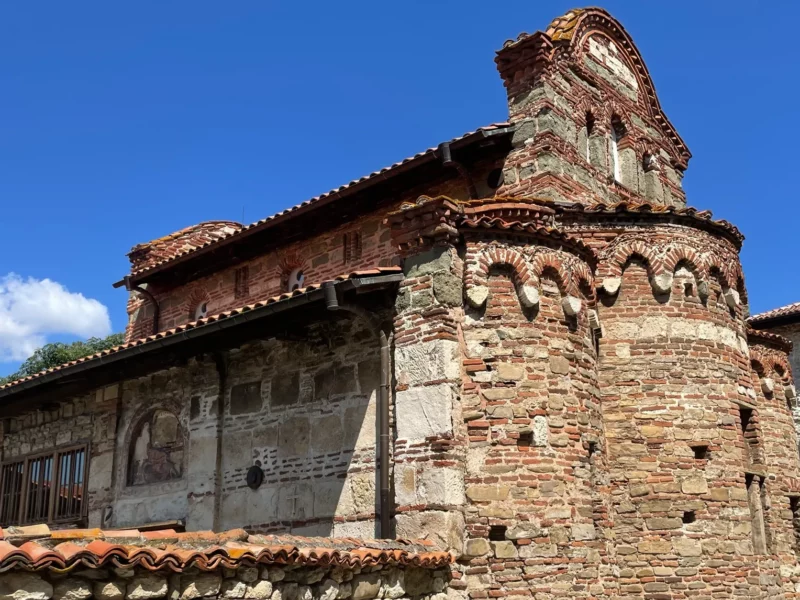
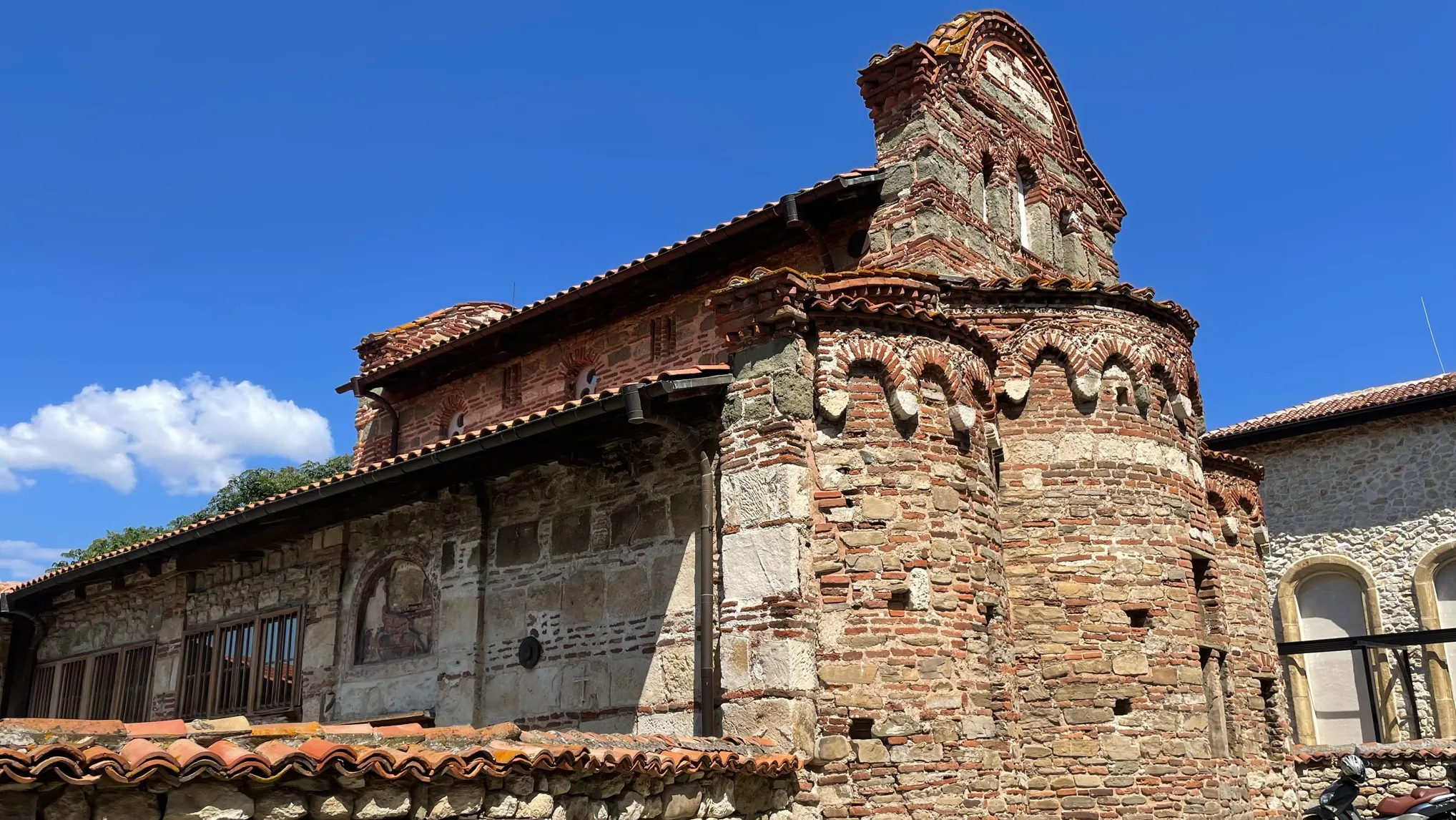
Central Europe Reports >> Law & Politics >> INB >> Source: BTA: Religion Classes Aim to Educate Children, Not Indoctrinate Them, Orthodox Times: Patriarch of Bulgaria calls for spiritual education through new School Subject “Virtues and Religion” BNR: Parents protest against plans to introduce compulsory religious education in public schools Novinite: Bulgaria’s Education Minister Clarifies: New School Course to Teach Values, Not Religion >> Photo: Church in Nesebar, Bulgaria – CER >> 1.05.2025