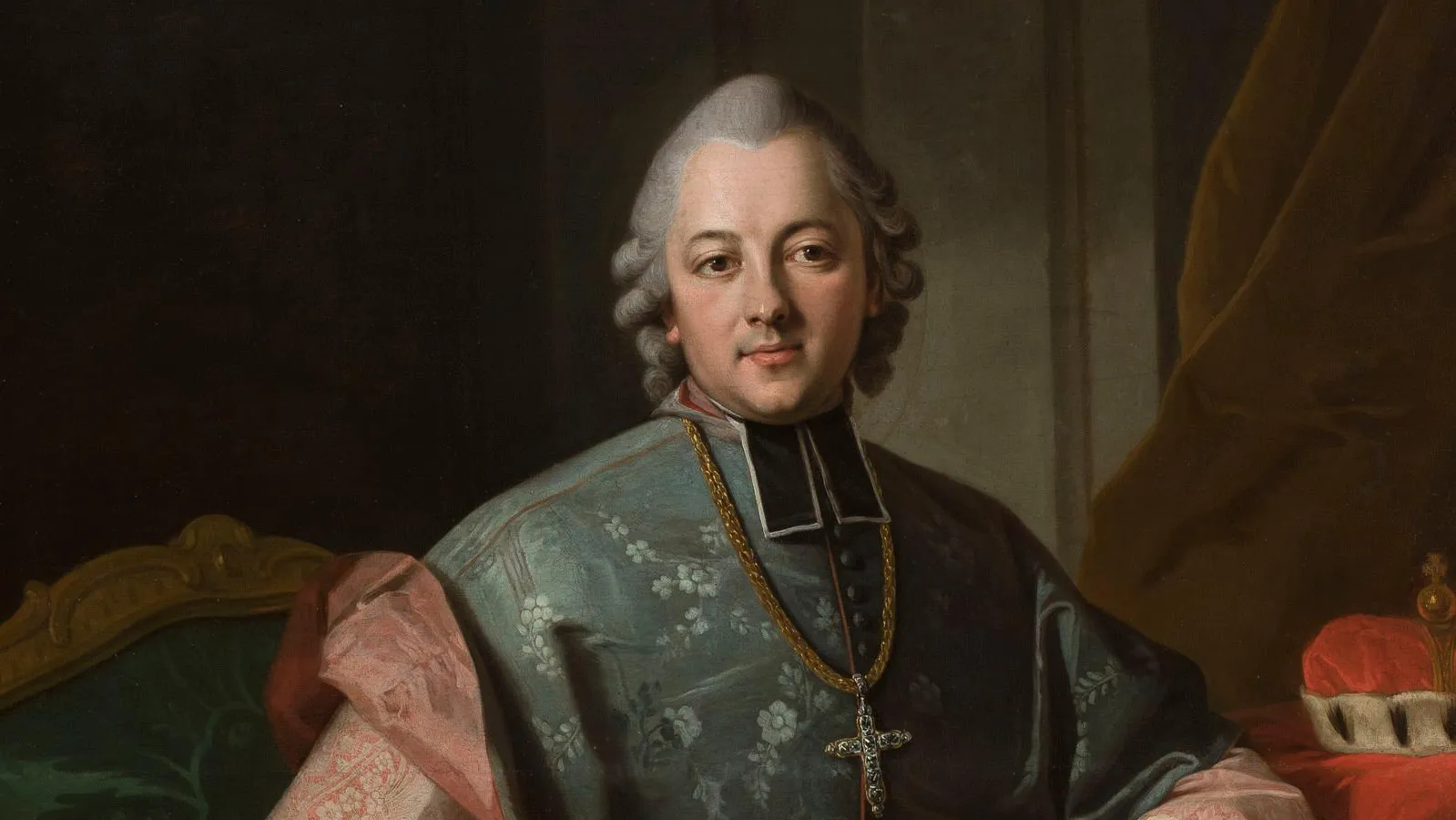
WARSAW: Ignacy Krasicki, Prince-Bishop of Warmia and Archbishop of Gniezno, passed away on March 14, 1801. Today, he is best known as a writer, author of fables and poems.
Bishop Ignacy Krasicki also distinguished himself as a statesman, talented politician, historian, encyclopedist, magazine publisher, and author of the first Polish encyclopedic dictionary. The XBW Ignacy Krasicki Foundation is responsible for preserving his legacy, accomplishments, and works. The foundation also promotes good practices in the field of corporate social responsibility and supports the economic development of Poland.
What Were Ignacy Krasicki’s Achievements?
Krasicki published a two-volume encyclopedia, wrote Letters on Gardens, contributed to the periodical Monitor, and edited his own newspaper Co Tydzień (“Weekly”). He translated works by Plutarch of Chaeronea (one of the greatest writers of ancient Greece, historian, and moral philosopher), The Songs of Ossian, excerpts from The Divine Comedy—a world literary masterpiece and pinnacle of medieval literature authored by Dante Alighieri (poet, philosopher, and politician)—as well as the works of Anacreon of Teos, Nicolas Boileau-Despréaux, Hesiod of Boeotia, and Theocritus. He also penned a treatise titled On the Translation of Books.
Was Ignacy Krasicki the Prince of Poets?
Ignacy Błażej Franciszek Krasicki of the Rogala coat of arms was regarded as the “Prince of Polish Poets.” He mainly wrote fables, satires, and mock-heroic poems. His most famous works include Fables, as well as Hymn to the Love of the Fatherland, Mouseiad, Monachomachia, and several satires such as To the King, The Corrupted World, Court Life, Palinodia, and The Fashionable Wife. By the end of the 18th century, satires had lost much of their educational and entertaining roles, as it became difficult to ridicule and criticize the flaws of a nation that had lost its independence.
Krasicki’s works taught audiences appropriate behavior, virtues, and civic conduct. He criticized vices such as drunkenness, debauchery, laziness, and even the imitation of foreign customs. In On Drunkenness, he presents the consequences of alcoholism in a humorous yet bitter tone.
Who Was Ignacy Krasicki?
Ignacy Błażej Franciszek Krasicki of the Rogala coat of arms was born on February 3, 1735, and died on March 14, 1801. He was one of the leading figures of the Polish Enlightenment, earning the title “Prince of Polish Poets.” From 1767, he served as Bishop of Warmia and, from 1795, Archbishop of Gniezno.
He held the titles of Prince of Sambia and Count of the Holy Roman Empire, served as President of the Crown Tribunal in Lublin (1765), pastor of Przemyśl, canon of the Lviv Cathedral Chapter (1765), and was also a poet, prose writer, journalist, encyclopedist, and a Knight of Malta honored with the Cross of Devotionis.
Where Was Ignacy Krasicki Buried and Where Are His Remains Now?
Ignacy Krasicki was originally buried in the crypt of St. Hedwig’s Cathedral in Berlin, which he co-consecrated in 1774. In 1829, his remains were transferred to the Primatial Basilica Cathedral in Gniezno.
What Does the XBW Ignacy Krasicki Foundation Do?
„The primary goal of the XBW Ignacy Krasicki Foundation remains the same as that which always guided our patron – supporting the preservation of Poland’s national heritage,” says Urszula Jóźwiak, Director General of the XBW Ignacy Krasicki Foundation. “Among the foundation’s aims are also the promotion of economic development in Poland and the dissemination of good practices in corporate social responsibility.”
Does the XBW Ignacy Krasicki Foundation Work in the Field of ESG?
One of the foundation’s most recent and significant initiatives is organizing the ESG Congress – Europe – Leaders of Sustainable Development. For years, the congress has served as a platform for dialogue among European leaders of sustainable development, including representatives from government, business, NGOs (non-governmental organizations), academia, experts, and the media.
What Was the Main Theme of the Fourth ESG Congress?
The central theme of the fourth edition of the ESG Congress – Europe – Leaders of Sustainable Development, held on January 29, 2025, was the civilizational changes taking place around the world and the European Union’s role in these historical transformations. The ESG Congress was held under the patronage of the Polish Presidency of the EU Council, the European Commission, and the Polish Ministries of Agriculture and Rural Development, Climate and Environment, Infrastructure, and Development and Technology. The event was also honored by the participation of the Polish Ombudsman.
What Does the Foundation Organize at the Delfina Gallery?
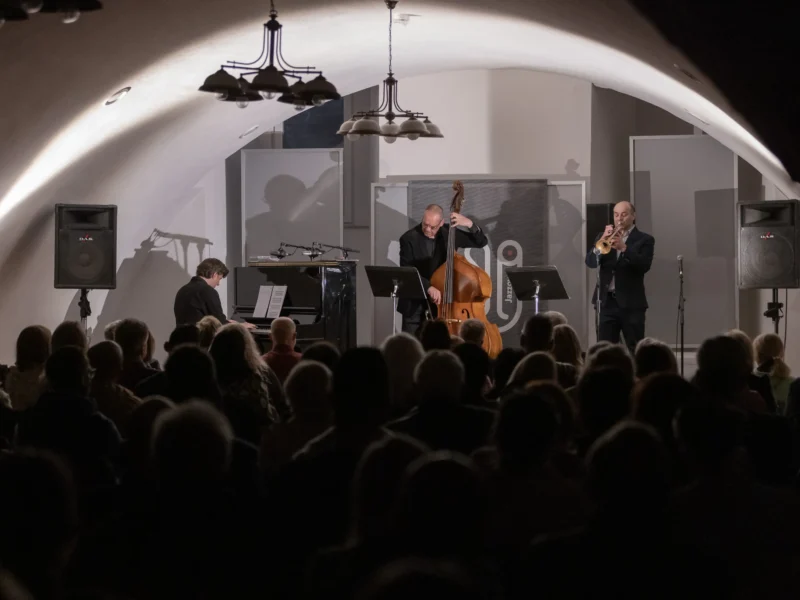
The XBW Ignacy Krasicki Foundation is also active in the fields of culture and the arts, and has long supported young artists from Poland and the East. At the Delfina Gallery, modeled on the Thursday Dinners of the mid-18th century—in which Bishop Ignacy Krasicki not only participated but also co-organized—the foundation hosts meetings of economic and political leaders, as well as artists, during exhibitions and events dedicated to culture, art, and politics. The gallery regularly welcomes prominent figures from the world of art, state authorities, journalists, and commentators. For several years now, the foundation has organized the “Meetings at the Gallery” series—events devoted to Polish culture and contemporary history.
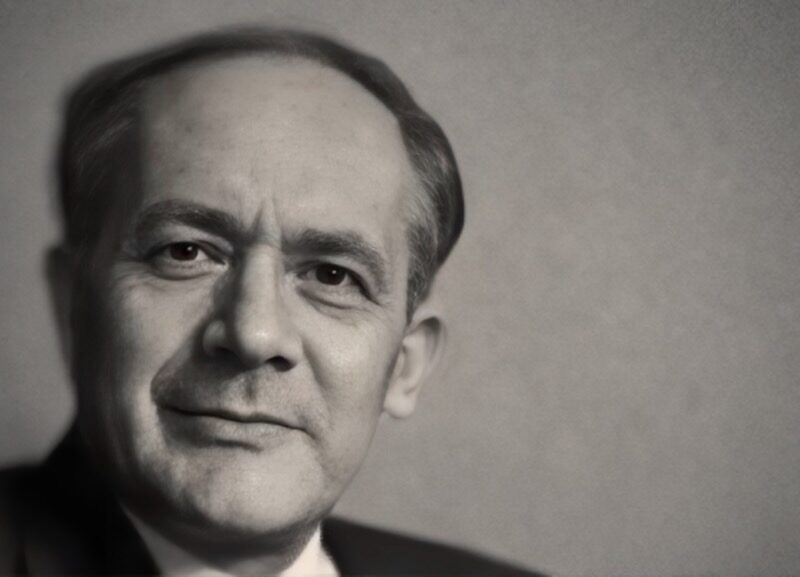
Central Europe Reports: Culture & History >> UJN >> Source: Agencja Informacyjna >> Illustration: Portrait of Ignacy Krasicki by Per Krafft the Elder, c. 1767 – Wikipedia >> 14.03.2025